There’s no doubt Florida has earned its nickname the sunshine state as its home to some of the country’s most beautiful beaches and vacation destinations year round. However, it’s also no stranger to a wrath of natural disasters as Florida is one of the most states impacted by natural disasters costing billions of dollars in damage.As the frequency and intensity of these disasters increase, a troubling reality emerges: the intersection between homelessness and disaster risk. Experts warn that without immediate action, the most vulnerable populations in Florida are left disproportionately exposed to the perils of climate-related disasters.
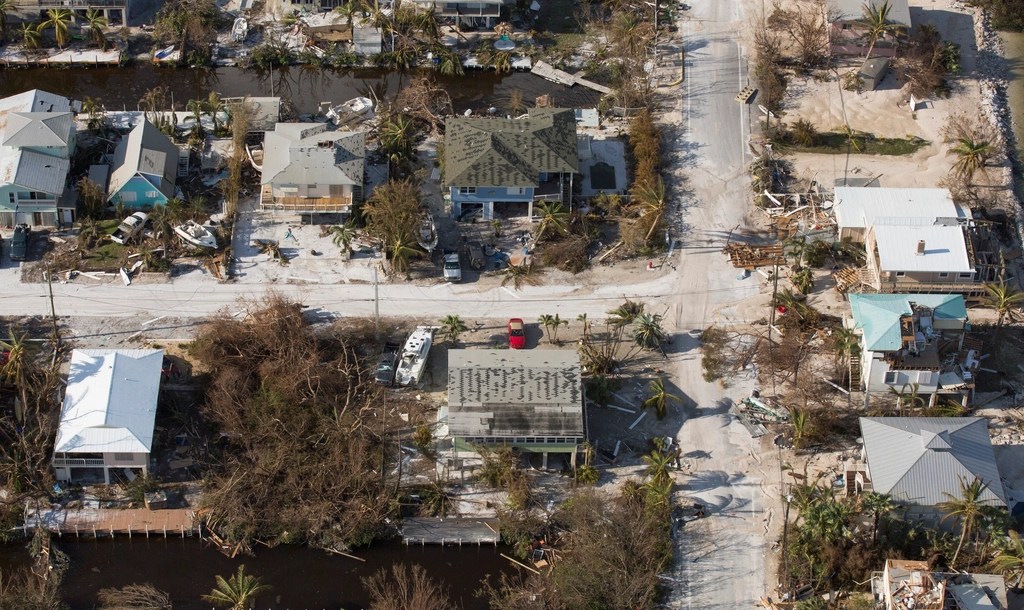
While natural disasters do not discriminate, their impact often exacerbates existing social inequalities. Homeless individuals, lacking stable shelter and resources, are particularly susceptible to the devastation wrought by hurricanes, floods, and other climate-related events. The inability to access secure housing leaves them exposed to the elements, increasing the likelihood of injury, illness, and even death during extreme weather events.
In Florida, where hurricanes are an annual threat, the issue takes on added urgency. According to recent data from the U.S. Department of Housing and Urban Development, Florida ranks among the states with the highest rates of homelessness. In cities like Miami, Tampa, and Orlando, where large homeless populations reside, the looming specter of hurricanes poses a dire threat.
It is imperative the local government and community get involved to prevent increased homelessness rates. Services and programs for the homeless are usually offered at the local level. This puts a great deal of responsibility on neighborhood institutions like soup kitchens, food banks, and shelters. Furthermore, as the number of displaced individuals rises, so does the need for assistance and services.
How To Help

It is imperative that the private sector and various governmental levels work together as essential partners to solve this intricate issue (Sundareswaran, et al.,2015). However, In recent times, there has been a growing recognition of the community’s pivotal role in disaster recovery, with particular emphasis on the significance of local knowledge, engagement, participation, and autonomy in shaping disaster response strategies. It stands to reason that the local community should serve as the primary line of defense in both preparing for and addressing disasters when they occur (Gamboa-Maldonado, et al., 2012). Local residents and community organizations are best positioned to identify immediate needs, coordinate preparatory efforts, supplement official response initiatives, implement emergency response protocols, and contribute to localized decision-making processes for future occurrences.
Multi-level collaboration was also mentioned as an upstream option by the University of South Florida, the U.S. Department of Housing and Urban Development, and the National Health Care for the Homeless Council. Through partnerships with human services organizations, emergency management organizations can reach people whose special needs connected to disasters could otherwise go unmet during response operations (NHCHC, 2014).
An inclusive system will work and better serve the needs of the homeless and other vulnerable populations. In the end, strengthening the emergency management system, enhancing health care preparedness, and training homeless service providers may all contribute to making communities more disaster-resistant.The most successful strategy is to plan for disaster mitigation using a diversified approach and to return responsibilities to the government (U.S. Department of Veterans Affairs, 2017).
Resources:* This link lists multiple Florida Disaster Relief Resources and Information*
References
5 tips for inclusive disaster-risk management planning. World Bank Blogs. (n.d.). https://blogs.worldbank.org/en/sustainablecities/5-tips-inclusive-disaster-risk-management-planning
A community approach to disaster preparedness and response. Penn State Extension. (n.d.). https://extension.psu.edu/a-community-approach-to-disaster-preparedness-and-response
Feito, M. (2023, January 13). 2022 racked up 165 billion dollars in disaster damages-the third costliest year on record. WLRN. https://www.wlrn.org/weather/2023-01-13/2022-racked-up-165-billion-dollars-in-disaster-damages-the-third-costliest-year-on-record
National Health Care for the Homeless Council. (2014, September). Integrating Homeless Service Providers and Clients in Disaster Preparedness, Response, and Recovery. National Health Care for the Homeless Council. https://nhchc.org/wp-content/uploads/2019/08/disasterbrief092014.pdf
Sundareswaran M, Ghazzawi A, O’Sullivan TL. Upstream Disaster Management to Support People Experiencing Homelessness. PLoS Curr. 2015Aug18;7:ecurrents.dis.95f6b76789ce910bae08b6dc1f252c7d. doi:10.1371/currents.dis.95f6b76789ce910bae08b6dc1f252c7d. PMID: 26346842; PMCID: PMC4552382.
Copyright © 2024 By Manaswini Dixit

